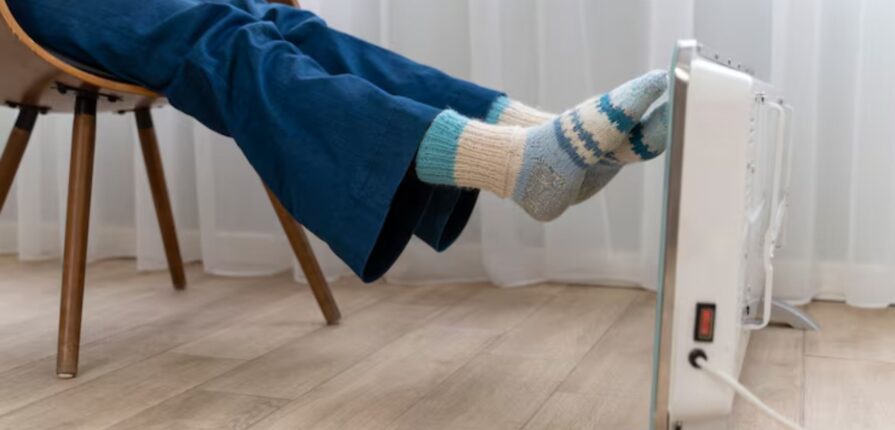
Baseboard heating systems are widely used in residential properties across New York due to their reliability, zoning flexibility, and straightforward mechanical design. This guide explains in technical terms how these systems function, how heat transfer occurs, and what homeowners in Rockland County should understand about installation and ongoing service.
The goal is to provide a clear explanation of system mechanics without unnecessary details, focusing on performance, efficiency, and practical considerations.
Core Concept Behind Perimeter Heating
This heating method is based on controlled convection and thermal transfer along exterior walls. Units are installed at the base of walls, typically beneath windows where heat loss is greatest. Positioning at this level allows rising warm air to offset cold drafts from glazing and exterior exposure.
The system operates using one of two heat sources:
- Electric resistance elements
- Hydronic circulation supplied by a boiler
Both designs rely on natural air movement rather than forced air distribution.
Electric Resistance Operation
Electric models generate heat through resistance. When voltage passes through a heating element, electrical energy converts directly into thermal energy. This heat transfers to metal fins inside the enclosure.
Mechanical Sequence
- The thermostat calls for heat.
- Current flows through the element.
- The element warms attached aluminum or steel fins.
- Cooler air near the floor enters the bottom opening.
- Heated air rises vertically into the room.
This convection loop continues until the thermostat reaches the set temperature.
Performance Characteristics
- Fast response time
- Independent room control
- No duct losses
- High point of use efficiency
Because each unit functions independently, zoning is simple and effective.
Hydronic Circulation Operation
Hydronic systems rely on a closed loop of heated water. A central boiler increases water temperature, typically between 140°F and 180°F depending on system design. A circulation pump moves heated water through piping into perimeter units.
Heat Transfer Process
- The thermostat signals the boiler.
- The boiler heats water.
- A pump circulates water through copper tubing.
- Metal fins attached to the tubing absorb heat.
- Air passes over the fins and rises into the room.
Water then returns to the boiler to repeat the cycle.
Thermal Advantages
Water retains heat longer than electric elements, which produces:
- Steadier temperature control
- Reduced cycling frequency
- Even distribution across larger spaces
This design is common in colder climates such as Rockland County due to long heating seasons.
Convection Dynamics Explained
The key mechanism in both system types is convection. Cold air is denser and settles near the floor. When warmed, it expands, becomes lighter, and rises.
This continuous vertical circulation forms a natural loop:
- Cool air enters from below
- Heat transfers through metal surfaces
- Warm air exits through the top vent
- Room air gradually equalizes in temperature
No mechanical fan is required, which results in quiet operation and minimal mechanical wear.
Zoning and Temperature Control
One of the most important engineering benefits of this heating method is zoning capability. Each room can operate on its own thermostat. This allows:
- Energy savings in unused spaces
- Custom comfort levels
- Reduced system strain
Hydronic systems may use zone valves or separate loops. Electric systems use individual wall thermostats wired to each heater.
Proper thermostat placement is critical. It should be positioned away from drafts, direct sunlight, and heat sources.
Heat Load and Sizing Calculations
Correct sizing ensures optimal performance. Undersized units cannot maintain temperature in winter. Oversized units cycle frequently and waste energy.
Engineers calculate heat load based on:
- Square footage
- Insulation value
- Window type
- Ceiling height
- Local design temperature
Rockland County winter design temperatures require careful evaluation due to seasonal cold exposure.
A professional performing baseboard heater installation Rockland NY should always conduct a room by room load calculation rather than estimating by square footage alone.
Installation Technical Overview
Electric System Installation
- Dedicated circuit sized for amperage load
- Proper voltage matching
- Secure wall mounting at manufacturer clearance height
- Thermostat wiring integration
Clearance from combustible materials must meet code requirements. Units must not be blocked by furniture or drapery.
Hydronic System Installation
- Connection to boiler supply and return lines
- Air elimination valves
- Flow balancing valves
- Secure enclosure mounting
- Pressure testing
The system must be purged of air before operation. Air pockets reduce heat transfer and cause noise.
Licensed professionals performing baseboard heater installation Rockland NY ensure compliance with local building and electrical codes.
Efficiency Considerations
Energy efficiency depends on system type and building envelope quality.
Electric Efficiency
- Nearly 100 percent efficient at point of use
- No duct losses
- Ideal for supplemental heating
However operating cost depends on electricity rates.
Hydronic Efficiency
- Efficient when paired with high performance boilers
- Works well with condensing boiler technology
- Provides stable comfort with fewer temperature swings
Insulation upgrades significantly improve overall performance regardless of heat source.
Maintenance Requirements
Regular service maintains performance and safety.
Electric Units
- Annual dust removal from fins
- Inspect wiring connections
- Verify thermostat calibration
- Ensure airflow is unobstructed
Dust buildup restricts convection and reduces output.
Hydronic Systems
- Annual boiler inspection
- Check system pressure
- Bleed trapped air
- Inspect circulation pump
- Examine fin condition
Routine baseboard heating maintenance Rockland NY helps prevent uneven heating and reduces long term repair costs.
Professional servicing before winter ensures reliable operation during peak demand months.
Common Operational Issues
Even properly installed systems can develop issues over time.
Uneven Heating
Often caused by air in hydronic loops or blocked airflow.
Noise
Expansion sounds may occur during heating cycles. Excess noise can indicate trapped air or loose brackets.
Cold Sections
May signal flow imbalance or sediment buildup.
Thermostat Inaccuracy
Leads to inconsistent comfort levels.
Scheduled baseboard heating maintenance Rockland NY addresses these concerns early.
Safety and Clearance Standards
Safety guidelines include:
- Maintain clearance from combustible materials
- Avoid covering units with curtains
- Do not place furniture directly against enclosures
- Ensure electrical circuits are properly rated
Hydronic systems must operate within approved pressure and temperature limits. Relief valves and expansion tanks should be inspected annually.
Suitability for Residential Properties
Perimeter heating systems are particularly effective in:
- Homes without ductwork
- Renovation projects
- Additions and finished basements
- Zoned living layouts
They provide consistent comfort without major structural modification.
In Rockland County where winters are prolonged, hydronic configurations are especially practical for whole house heating.
Conclusion
Baseboard heating systems operate using straightforward thermal principles based on convection and controlled heat transfer. Whether powered by electricity or circulating hot water, the design allows quiet operation, effective zoning, and reliable performance in residential properties.
Accurate load calculation, professional baseboard heater installation Rockland NY, and consistent baseboard heating maintenance Rockland NY are essential for long term efficiency and safety.
When properly designed and maintained, this heating method provides stable indoor comfort throughout the winter season while offering homeowners precise control over energy usage.
If you are planning a new installation or need professional service, contact us today to schedule an inspection or consultation with our experienced heating specialists.
Frequently Asked Questions
1. How does convection heat a room effectively?
Cool air enters at the bottom of the unit, warms as it passes over heated fins, and rises. This creates continuous circulation that gradually increases room temperature.
2. Are electric systems more efficient than hydronic systems?
Electric units are highly efficient at converting electricity to heat. Hydronic systems may offer lower operating costs depending on fuel source and boiler efficiency.
3. How often should hydronic systems be serviced?
Annual inspection is recommended, ideally before winter.
4. Can these systems be used in older homes?
Yes. They are ideal for properties without ductwork and for retrofit applications.
5. What is the most common maintenance issue?
Dust accumulation in electric units and trapped air in hydronic systems are the most frequent service concerns.





 Rockland County NY
 info@pipeworxusa.com
 (845) 402-8547
Recent Comments