Scheduling a new plumbing or heating project can feel overwhelming, especially if you have never gone through the process before. Most new customers want clear communication, defined steps, and confidence that the job will be completed correctly. Understanding what happens during a professional heating and plumbing installation helps remove uncertainty and sets realistic expectations.
At PipeWorx USA, transparency is central to every project. From the first phone call to the final inspection, each stage is structured to ensure safety, efficiency, and long-term performance. This guide explains the process in detail, so you know exactly what to expect.
Why Hiring a Professional Matters
Plumbing and heating systems are complex networks that involve water supply lines, drainage systems, gas connections, ventilation, and sometimes electrical components. Improper installation can lead to leaks, water damage, poor heating performance, increased utility bills, and safety risks.
Working with a licensed plumber for installation and repair provides important advantages:
- Compliance with local and state building codes
- Proper system sizing and configuration
- Safe gas and water line connections
- Protection of manufacturer warranties
- Reduced risk of premature system failure
Professional workmanship ensures your home remains safe and your investment delivers value for years.
Step 1: Initial Consultation and On-Site Evaluation
Every successful project begins with a thorough assessment. During your scheduled consultation, a technician visits your property to evaluate existing systems and discuss your goals.
What Is Reviewed During the Visit
The evaluation typically includes:
- Inspection of current plumbing or heating components
- Assessment of water pressure and drainage performance
- Examination of venting and gas lines if applicable
- Measurement of installation areas
- Identification of any code related concerns
- Discussion of budget and scheduling preferences
For homeowners requesting plumbing installation Rockland County NY, local regulations and municipal inspection requirements are carefully reviewed during this stage. This ensures the proposed solution aligns with regional standards.
The goal of the consultation is clarity. You receive expert recommendations based on the condition of your property and your specific needs.
Step 2: Detailed Estimate and Scope of Work
After the assessment, you are provided with a written proposal outlining the full scope of the project. Transparency at this stage builds trust and prevents misunderstandings.
A professional estimate typically includes:
- Labor costs
- Equipment and materials
- Required permits
- Inspection coordination
- Estimated project timeline
If you are considering professional plumbing installation NY, this document gives you a clear understanding of what will be done and how long it will take. A reputable contractor explains each line item and answers all questions before work begins.
There should never be uncertainty about pricing or deliverables.
Step 3: Planning and Scheduling
Once you approve the estimate, scheduling begins. The contractor orders necessary equipment and coordinates permits if required.
Planning involves:
- Confirming delivery of new fixtures or heating units
- Scheduling inspection dates
- Assigning technicians to your project
- Reviewing safety protocols
You will receive confirmation of the installation date and approximate start time. Clear communication continues throughout the process.
Step 4: Preparing Your Home Before Work Begins
Preparing your property helps the installation proceed efficiently and safely. Prior to the scheduled date, you may be asked to:
- Clear pathways to work areas
- Remove stored items from utility rooms
- Move furniture near plumbing fixtures
- Secure pets
- Ensure access to water shutoff valves and electrical panels
These preparations minimize delays and protect your belongings.
Step 5: Installation Day Breakdown
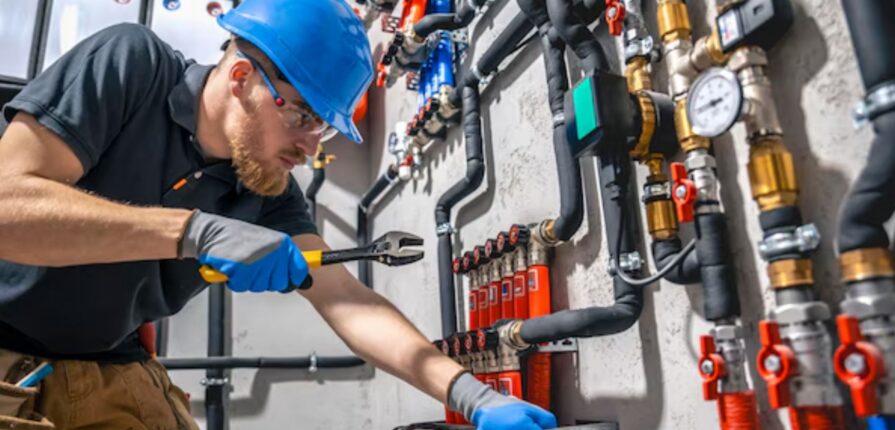
On installation day, the crew arrives with the necessary tools and materials. The process is structured and systematic.
Site Protection and Safety Setup
Technicians begin by protecting your property. Floor coverings and protective materials are placed in work zones. Safety measures are reviewed before any equipment is removed or installed.
System Shutdown and Removal
If replacing existing equipment, the team will:
- Shut off water, gas, or electrical supply
- Drain water lines where needed
- Disconnect outdated components
- Carefully remove and dispose of old equipment
Proper removal prevents damage to surrounding areas and ensures compliance with disposal regulations.
Installation of New System Components
After clearing the area, new equipment is positioned and secured. This may involve:
- Installing updated piping
- Connecting supply and return lines
- Mounting fixtures
- Securing boilers or heating units
- Configuring venting systems
For homeowners arranging a residential plumbing installation service, each fixture is carefully aligned and sealed to support everyday use and long-term reliability.
Code Compliance Verification
Throughout the process, technicians verify that all connections meet New York building standards. Proper pipe slope, water pressure balance, and venting configurations are confirmed before proceeding.
This attention to detail ensures the finished system passes inspection and operates safely.
Step 6: Testing and Performance Checks
Once installation is complete, the system undergoes thorough testing.
Technicians will:
- Turn on water or heating systems
- Check for leaks at every connection point
- Measure water pressure levels
- Confirm consistent heating output
- Inspect fittings and seals
- Ensure thermostats and controls function properly
Testing ensures everything performs as intended before the project is finalized.
Step 7: Final Walkthrough and Customer Guidance
Before leaving, the technician conducts a walkthrough with you. This is your opportunity to ask questions and understand how to operate your new system.
You will receive:
- Explanation of controls and settings
- Maintenance recommendations
- Warranty documentation
- Information about future service options
Clear guidance empowers you to maintain optimal system performance.
Expected Project Timelines
The duration of a project depends on its complexity and scope.
General time estimates include:
- Fixture replacements completed within one day
- Water heater upgrades often taking one to two days
- Full heating system installations requiring several days
- Larger plumbing projects spanning multiple days
During the estimate stage, you receive a customized timeline tailored to your specific project.
Permits and Inspections in New York
Many plumbing and heating installations require permits. Experienced contractors handle the administrative process to ensure compliance.
For projects such as plumbing installation Rockland County NY, this includes:
- Filing permit applications
- Coordinating municipal inspections
- Ensuring all work meets current code standards
- Securing final approval
Professional oversight eliminates stress and prevents costly corrections later.
What Makes a Service Truly Professional
New customers often ask how to identify a reliable contractor. True professionalism includes more than technical skill.
Key indicators include:
- Active licensing and insurance
- Clear written agreements
- Transparent communication
- Respect for your property
- Commitment to safety
- Detailed post installation instructions
Choosing experienced providers for professional plumbing installation NY ensures accountability and consistent workmanship.
After Installation: Protecting Your Investment
Once the project is complete, ongoing maintenance becomes essential. Regular inspections and timely service keep systems operating efficiently.
Benefits of routine maintenance include:
- Improved energy efficiency
- Extended equipment lifespan
- Reduced emergency repair costs
- Consistent water pressure and heating performance
Maintaining communication with your contractor ensures long term support when needed.
Conclusion
Understanding the full process of a professional heating and plumbing installation removes uncertainty and builds confidence. From consultation and written estimates to installation, testing, and final inspection, each step is carefully structured to deliver safety and reliability.
Working with a licensed plumber for installation and repair ensures your system meets code standards and performs efficiently. Whether planning a system upgrade or arranging a residential plumbing installation service, transparency and professional expertise make all the difference.
When every stage is handled with care and precision, your home benefits from dependable comfort, efficient operation, and lasting performance.
If you are ready to schedule your project or would like a detailed estimate, contact us today to speak with our team and get started with trusted service you can rely on.
Frequently Asked Questions
1. How do I know if replacement is necessary instead of repair?
If your system frequently breaks down, shows corrosion, or struggles to meet demand, replacement may be more cost effective. A professional evaluation provides clarity.
2. Will there be service interruptions?
Temporary water or heat interruptions are common during installation. Your technician will inform you in advance about expected downtime.
3. Are permits always required?
Most major upgrades require permits to ensure safety compliance. Your contractor typically manages this process.
4. How can I verify credentials?
Ask for proof of licensing and insurance. Reputable companies provide documentation upon request.
5. Does new equipment improve efficiency?
Yes. Modern systems are designed to use less energy while delivering improved performance when properly installed.





 Rockland County NY
 info@pipeworxusa.com
 (845) 402-8547
Recent Comments