As temperatures begin to drop, homeowners should take time to ensure their heating systems are ready for the colder months ahead. A well-maintained heating system not only keeps your home comfortable but also improves energy efficiency, lowers utility costs, and reduces the risk of unexpected breakdowns during winter.
Following a thorough heating system preparation checklist before cold weather arrives can help you identify potential issues early and keep your heating equipment operating at peak performance. Whether you rely on a furnace, boiler, heat pump, or another heating system, proper preparation is essential for a safe and warm winter season.
This guide outlines the most important steps homeowners can take to prepare their heating systems before the cold weather sets in.
Why a Heating System Preparation Checklist Matters
Many homeowners wait until the first cold day of the season to turn on their heating system. Unfortunately, this is often when hidden problems become apparent. Components may wear out during periods of inactivity, filters may become clogged, and small issues can develop into costly repairs.
A comprehensive heating system preparation checklist helps you:
- Improve heating efficiency
- Reduce energy consumption
- Extend equipment lifespan
- Maintain indoor comfort
- Prevent emergency breakdowns
- Ensure safe operation
By taking preventative measures before winter, you can avoid unnecessary stress and expensive repairs.
Schedule a Professional Heating Inspection
One of the most important items on any heating system preparation checklist is scheduling a professional inspection.
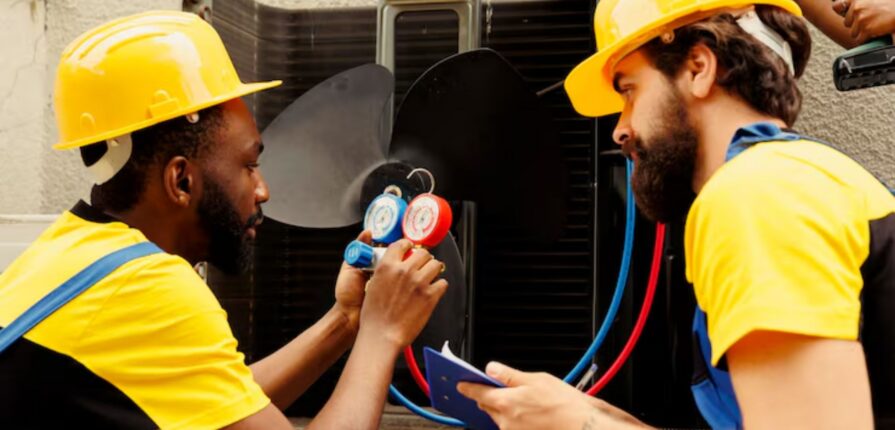
A licensed technician can evaluate the overall condition of your heating equipment and identify problems before they worsen. During an inspection, professionals typically check burners, heat exchangers, electrical connections, thermostats, airflow, safety controls, and other critical components.
Professional maintenance provides peace of mind and ensures your heating system is prepared to handle increased demand throughout the winter season.
Homeowners in the area often trust experienced service providers such as pipeworx plumbing for seasonal heating inspections and maintenance services.
Replace or Clean Air Filters
Dirty air filters are one of the most common causes of heating system inefficiency.
Over time, dust, pet dander, and debris accumulate in the filter, restricting airflow throughout your home. Reduced airflow forces the heating system to work harder, increasing energy usage and placing additional strain on components.
Before cold weather arrives, inspect your air filter and replace it if necessary. If your system uses reusable filters, clean them according to manufacturer recommendations.
Many HVAC professionals recommend checking filters monthly during the heating season and replacing them every one to three months, depending on usage and indoor air quality conditions.
Test Your Thermostat
Your thermostat serves as the control center for your heating system. If it is not functioning properly, your home may experience uneven temperatures or higher energy costs.
Before winter begins, test the thermostat by increasing the temperature setting several degrees above room temperature. Verify that the heating system responds appropriately and begins producing warm air.
If your thermostat is outdated, consider upgrading to a programmable or smart thermostat. Modern models can automatically adjust temperatures based on your schedule, helping improve comfort while reducing energy consumption.
Accurate thermostat operation is a key part of any heating system preparation checklist.
Inspect and Clean Air Vents
Blocked or dirty vents can negatively impact heating performance throughout your home.
Walk through each room and ensure all supply and return vents remain open and unobstructed. Furniture, curtains, rugs, and storage items can restrict airflow and reduce system efficiency.
Dust and vacuum vents to remove debris that may hinder airflow. Proper circulation helps distribute warm air evenly and allows your heating system to operate more efficiently.
Check for Unusual Noises and Odors
Before cold weather arrives, run your heating system for a short period and pay attention to any unusual sounds or smells.
Rattling, banging, squealing, or grinding noises may indicate mechanical issues that require professional attention. Likewise, persistent burning odors or unusual smells should never be ignored.
While a slight dusty smell is common when heating equipment is used for the first time each season, strong or lingering odors could signal electrical problems, dirty components, or ventilation concerns.
Addressing these issues early can prevent more serious repairs later.
Inspect Ductwork for Leaks
For homes with forced-air heating systems, ductwork plays a crucial role in delivering warm air throughout the property.
Leaks, gaps, and disconnected sections can allow heated air to escape before reaching living spaces. This results in reduced comfort and higher energy bills.
Inspect accessible ductwork for visible damage or loose connections. Sealing leaks with approved duct sealing materials can improve efficiency and reduce energy waste.
Professional technicians can also perform more comprehensive duct inspections if needed.
Examine the Furnace or Boiler Area
The area surrounding your heating equipment should remain clean and free of clutter.
Remove boxes, storage items, cleaning supplies, and other materials from around the furnace or boiler. Maintaining clear space improves airflow and reduces potential safety hazards.
Inspect the equipment for signs of corrosion, water leaks, rust, or visible damage. If you notice any concerns, contact a qualified technician for evaluation before winter arrives.
Keeping the heating area organized is an often-overlooked step in a heating system preparation checklist.
Test Carbon Monoxide and Smoke Detectors
Safety should always be a priority when preparing your heating system for winter.
Heating equipment that burns fuel can produce carbon monoxide if problems occur. Carbon monoxide is a colorless, odorless gas that can be extremely dangerous.
Test all carbon monoxide detectors and smoke alarms throughout your home. Replace batteries as needed and verify that devices function correctly.
Experts recommend installing carbon monoxide detectors near sleeping areas and on every level of the home.
Check Insulation and Air Leaks
Even the most efficient heating system can struggle if warm air escapes from your home.
Inspect doors, windows, attic spaces, and other areas for drafts. Seal gaps using weatherstripping or caulking where appropriate.
Proper insulation helps retain heat indoors, reducing strain on your heating system and lowering monthly energy costs.
Improving your home’s energy efficiency complements the efforts outlined in your heating system preparation checklist and helps maximize heating performance.
Monitor Pilot Lights and Ignition Systems
Older heating systems often use pilot lights, while newer models may utilize electronic ignition systems.
Inspect the pilot light to ensure it burns steadily and displays the proper color according to manufacturer specifications. If the flame appears weak or inconsistent, professional service may be required.
For systems with electronic ignition, verify that startup occurs smoothly and consistently.
Reliable ignition is essential for safe and effective heating operation during winter.
Consider Preventative Maintenance Services
Preventative maintenance remains one of the best investments homeowners can make before cold weather arrives.
Routine maintenance helps identify worn components, improve efficiency, and reduce the likelihood of emergency breakdowns. Technicians can clean critical components, lubricate moving parts, calibrate controls, and ensure all systems operate correctly.
Many homeowners rely on trusted rockland county plumbers and heating professionals to perform seasonal maintenance before winter begins.
Regular service not only improves performance but can also help preserve manufacturer warranties and extend equipment lifespan.
Conclusion
Preparing your heating system before cold weather arrives is one of the best ways to maintain a warm, comfortable, and energy-efficient home throughout winter. By following this heating system preparation checklist, homeowners can reduce the risk of breakdowns, improve system performance, and enhance safety.
Simple steps like replacing filters, testing thermostats, inspecting vents, and scheduling professional maintenance can help prevent costly repairs and ensure reliable heating all season long.
For expert assistance, trust pipeworx plumbing to get your heating system winter-ready. Contact us today to schedule your heating system inspection.
Frequently Asked Questions
1. What is included in a heating system preparation checklist?
A heating system preparation checklist typically includes replacing air filters, testing the thermostat, inspecting vents, checking ductwork, scheduling professional maintenance, and testing carbon monoxide detectors.
2. How often should I service my heating system?
Most heating professionals recommend servicing your heating system at least once a year, ideally before the start of the winter season.
3. Why is my heating system blowing cool air?
Cool air may result from thermostat issues, dirty filters, ignition problems, airflow restrictions, or mechanical malfunctions. A professional inspection can determine the cause.
4. Can a dirty air filter affect heating performance?
Yes. Dirty filters restrict airflow, reduce efficiency, increase energy consumption, and place additional strain on heating system components.
5. When should I schedule heating maintenance?
The best time to schedule heating maintenance is during late smmer or early fall, before cold weather increases demand on your system.
6. How can I improve heating efficiency during winter?
Improving insulation, sealing air leaks, replacing filters, maintaining ductwork, and scheduling professional maintenance can all help improve heating efficiency and reduce energy costs.





 Rockland County NY
 info@pipeworxusa.com
 (845) 402-8547
Recent Comments